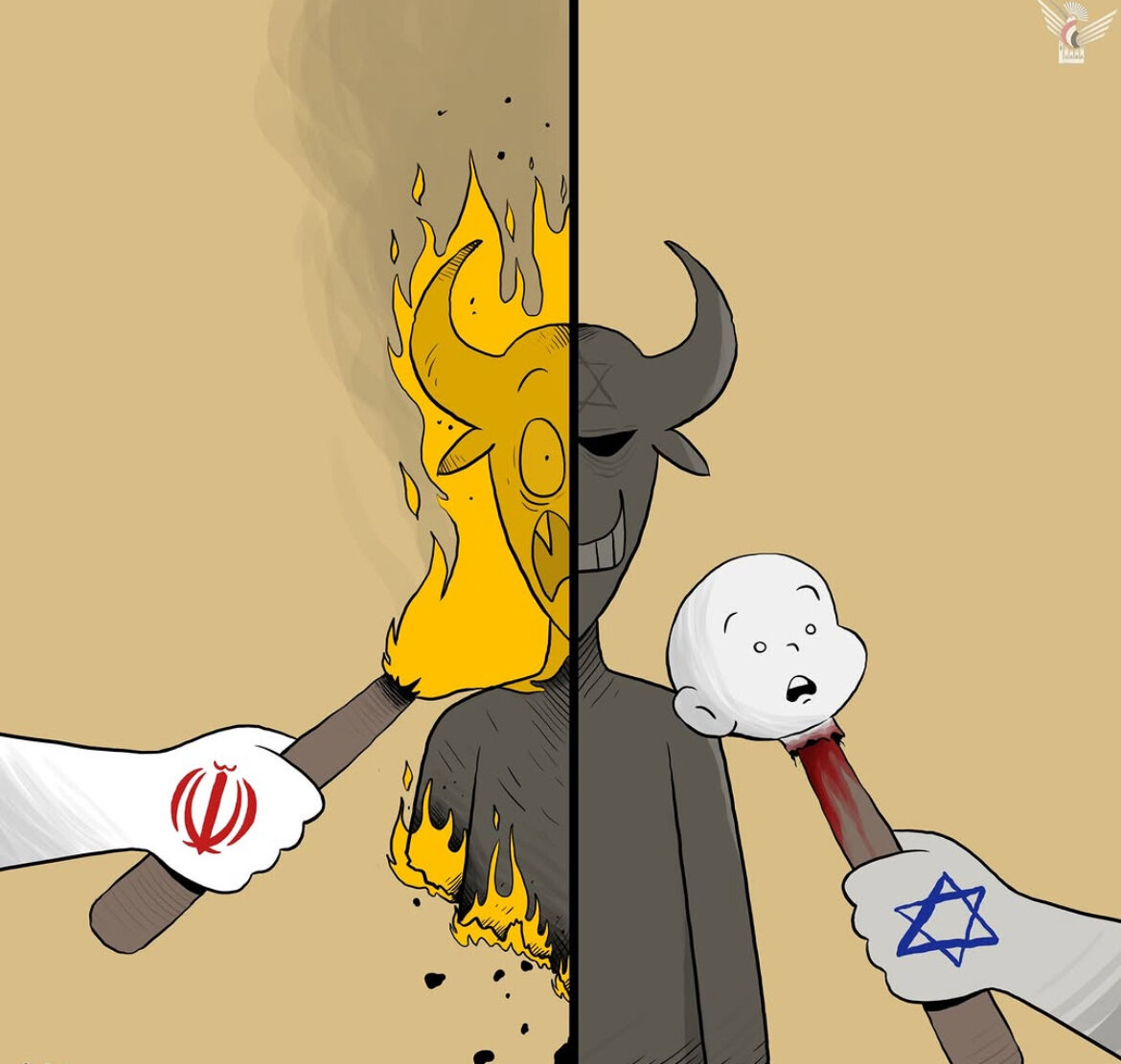
What is the story of burning the statue of Baal? / From Baal to Netanyahu and Epstein!
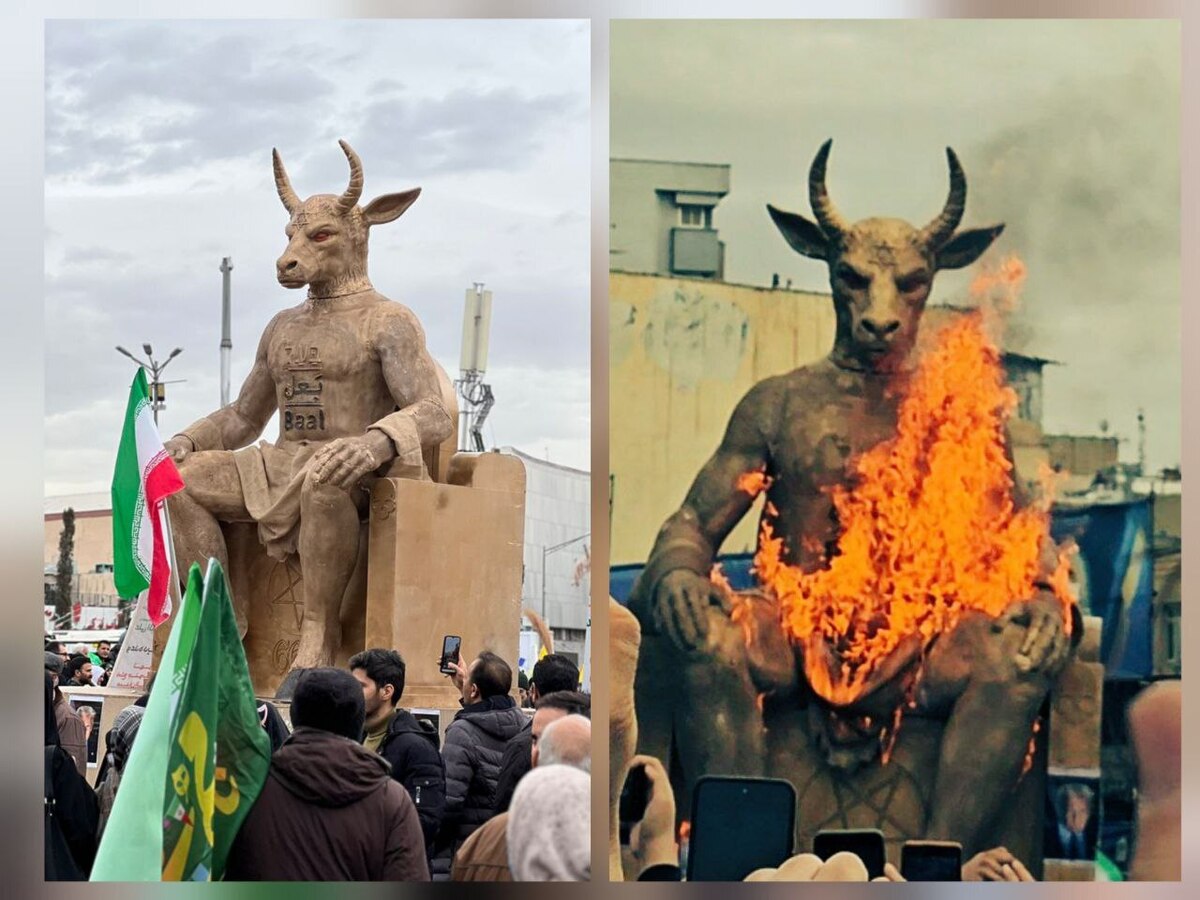
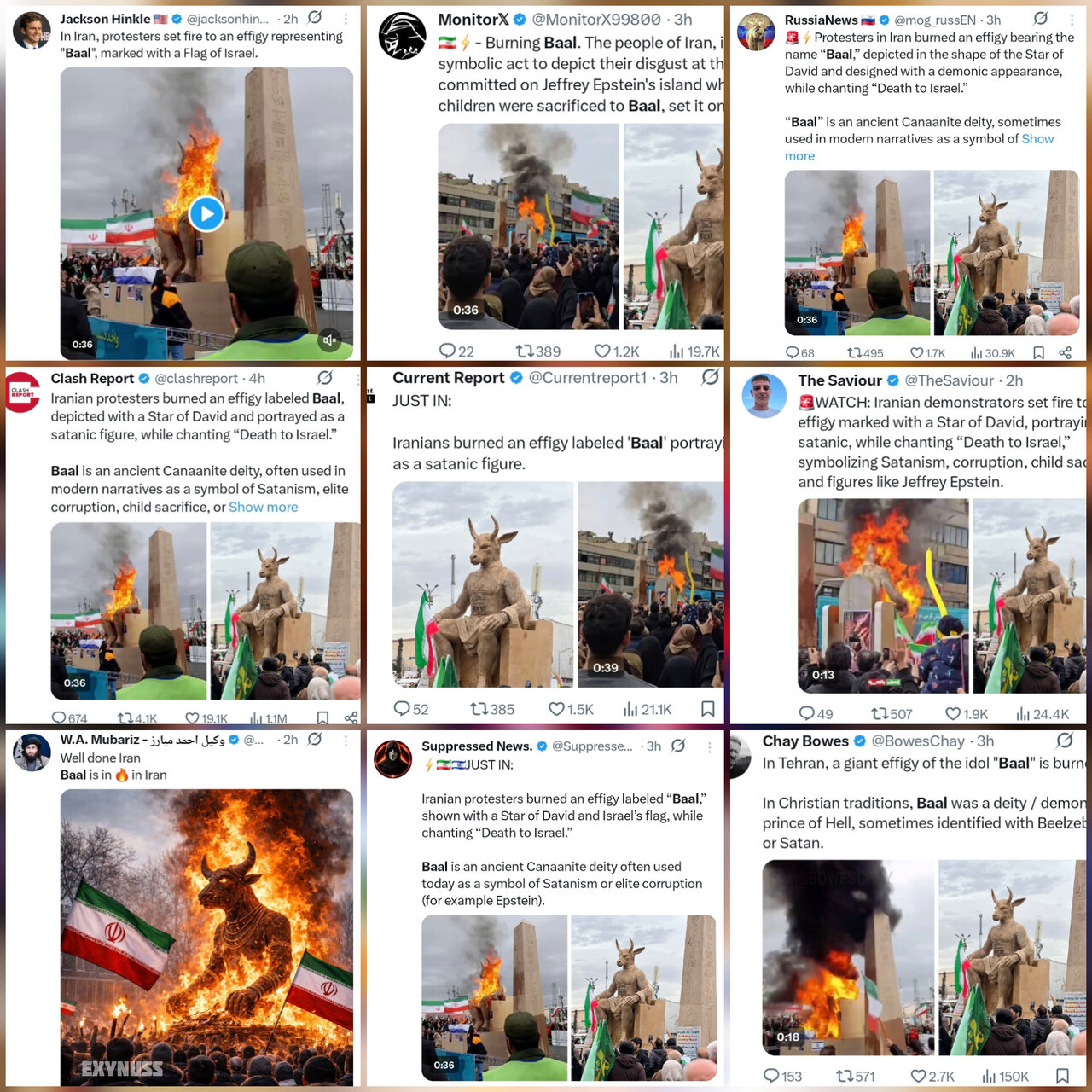
Concurrently with the February 10, 2026 rally in Tehran, a statue featuring symbols such as “Baal,” the Star David, and the Israeli flag was set on fire by the people. Organizers announced that this action was taken in protest against the Jeffrey Epstein case and in line with expressing opposition to Israel and the United States. The burning of this statue led to the formation of a widespread wave of global reactions.
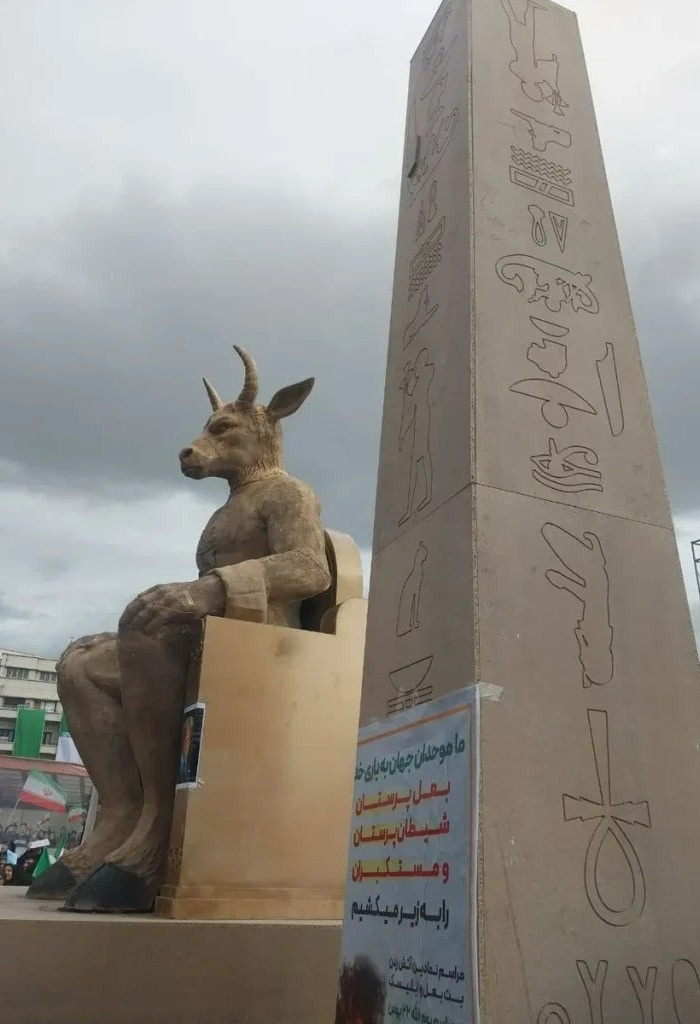
What is the symbol of the idol or demon Baal?
The most famous and important manifestation of this title is Baal Hadad, the god of the storm. Over time, in Jewish and Christian texts, Baal transformed into a demon and an advisor of Satan, and was considered a rival to Yahweh, the God of the Jews.
In some later Christian texts and medieval demonological literature, the name Baal appears as one of the evil spirits. In popular beliefs, Baal is often known as a malevolent evil spirit and sometimes as the greatest demon. Some also consider him to be the source or teacher of magic for demonic sorcerers.
In Islamic culture, the position of “Baal” goes beyond a specific historical idol; this name has become a universal symbol for any form of idolatry and polytheism. The Quran’s criticism of worshipping Baal is, in fact, a condemnation of all forms of worshiping other than God and a reminder of the divine punishments that befell past societies due to their turning to the worship of created beings.
The Idol Baal in the Quran
The name Baal is explicitly mentioned in the Holy Quran, in Surah As-Saffat, verses 125 to 127, as a false deity in opposition to God Almighty. These verses are addressed to a people to whom Prophet Elijah (peace be upon him) was sent:
“Do you call upon Ba’l and leave the best of creators – (125) Allah, your Lord and the Lord of your first forefathers?” (126) But they denied him, so indeed, they will be brought [for punishment]. (127)
Based on narratives, commentators often consider this people to be the inhabitants of Baalbek (in modern-day Lebanon, the city’s name being derived from Baal), who were engaged in worshiping a great idol named “Baal.”
These verses display a symbolic contrast between pure monotheism and polytheism; Prophet Elijah (PBUH) rebukes his people for preferring a weak, created being over the “Best of creators.” This indicates that the worship of Baal was also prevalent in societies influenced by the teachings of the Abrahamic prophets.
Where is the Idol Baal?
The most famous known center for the worship of Baal was the ancient city of Ugarit in modern-day Syria.
The common depiction of Baal is a warrior figure wearing a horned helmet, holding a thunderbolt or a spear. Also, in iconography, he was sometimes represented in the form of a bull or a goat to symbolize power and fertility; similar to the statue of the idol Baal that was burned with the image of the Star of David and the Israeli flag on February 10th.
The Idol Baal, Trump, Israel, and Epstein
The name Baal came back into the spotlight after the release of documents from the Jeffrey Epstein case by the United States Department of Justice on January 30, 2026; when some websites claimed that Epstein had a bank account named Baal.
A user account on X platform called “AdameMedia,” a popular figure among the far-right, claimed that “Jeffrey Epstein had an account named ‘Baal’ and asked someone at JPMorgan [Bank] to wire $11,000 for him.” The tweet stated that “Baal is a demonic figure and enemy of Christ according to the Bible.”

On the anniversary of the Islamic Revolution, protesters in Tehran set fire to a statue of Baal, turning this moment into a powerful symbol of ideology, history, and resistance. The message was eloquent and undeniable.